What Are the Benefits of Having Beef Cattle What Are the Benefits of Being in the Beef Industry
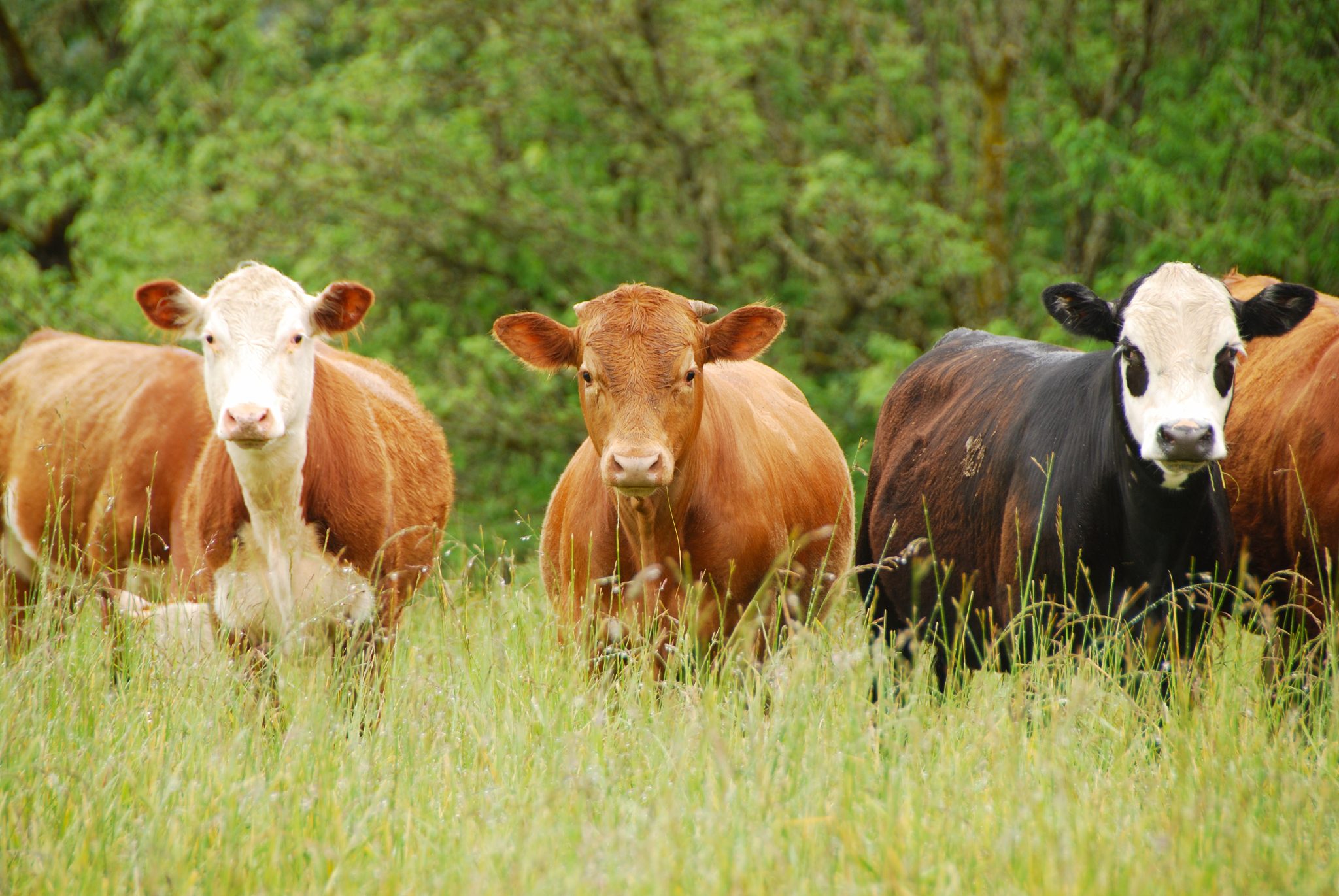
Take a drive downwardly a county route in Alabama until you see fences and dark-green pastures. If you cease and expect, that is a picture of the basis for beef cattle operations in Alabama. The growing conditions in the Southeastern United States favor most yr-round forage or pasture production.
Beef cattle and their impacts on the surroundings are ofttimes a hot word topic. What isn't news to most beefiness cattle operations is the positive role that beefiness cattle play in sustainability. Nonetheless, this may seem counterintuitive to what is often heard in the media surrounding cattle product. The following are several benefits of forage-based beefiness cattle systems to society likewise as some misconceptions about the industry.
Beef Cattle are More than Efficient Now Than Ever
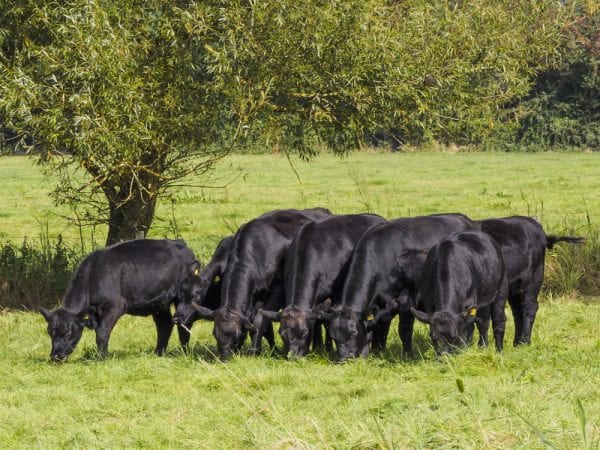 A recent report noted that although the electric current cattle inventory is similar to the number of cattle in 1990, overall beef production has increased 18% over this fourth dimension period. In other words, the country is producing more brute product today with the same number of animals from xxx plus years agone. Ultimately, this ways farmers are producing more beef with fewer emissions.
Cattle, Carbon, and Methane
Proper grazing management helps restore soil wellness and creates a sink for atmospheric carbon and nitrogen. Yeah, cattle emit methane, but not in the style people are nigh oft led to believe. When forage is digested in the rumen–or the fermentation vat of the ruminant digestive organization–methyl hydride is produced. The misconception is cattle emit methane by and large through flatulence. However, nearly methane is really expelled through belching.
Every bit function of nature'southward carbon bicycle, plants require carbon dioxide to consummate the process of photosynthesis. Over fourth dimension, the methane cattle expel in the atmosphere breaks down into carbon dioxide and water, which can be used past plants. Plants store carbon in their growth to a higher place ground (the grazeable provender) and below ground in their often-extensive root organization. This builds soil quality over time and helps keep the land productive.
Beef Cattle Convert Forages into Protein for Humans
Beef cattle are ruminants, which have the unique power to catechumen forages into a high-quality protein for human consumption. This is known as upcycling. Cattle tin can produce this loftier-value poly peptide to meet human nutritional demands, all while using land resources that would otherwise exist unutilized.
A mutual statement is that land for beefiness cattle could be used for other crops for man consumption. However, this is not entirely truthful, as beef cattle spend much of their life in fodder-based systems. Forages are typically grown on land that is unsuitable for other high-value crops, and would exist considered land of marginal use without being used for grazing.
Beef Cattle Use By-products That Humans Cannot Utilise
Every industry has feeder systems that supply needed resources to make a given product. Beef cattle production is no different, and cattle are ofttimes fed supplements which are by-products from other industries. Reducing beefiness cattle numbers nationwide ways in that location would be negative impacts on all of the supporting industries, which have environmental implications associated with not using those resources. Without beefiness cattle to use these resources, the organization would be creating another source of emissions rather than effectively upcycling them into a high-quality beef production. Many feed by-products would have no value for other commodities, and would simply exist land applied or composted, creating an additional source of emissions.
Producers are Ecology Stewards
 Beefiness cattle producers are, and keep to be, committed stewards of the environment. A 2021 survey conducted by Elanco Beast Health noted that 90% of cattle producers use i or more methods to protect natural resources on their farm. These practices included rotational grazing, optimizing stocking density, supplemental winter grazing, using cross fencing, and strategic access to water resources. Among the producers who mentioned these practices, they reported that they valued these practices in relation to sustainability of their operations and overall longevity of the land.
Producers Pursue Opportunities and New Technologies
As new technologies arise, beefiness cattle producers oftentimes evaluate these technologies with application in their operations to further increment efficiency. Discussion of carbon credits is on the horizon for various other agricultural bolt and may brainstorm entering livestock systems discussions. More than accent on optimizing the utilize of fodder and grazing lands offers an opportunity to aid amend country productivity and sustainability. Beef cattle producers are positioned to take advantage of these incentives for the things they are already doing – management which favors sustainability.
More Information
For more data on beefiness cattle systems management strategies, visit www.alabamabeefsystems.com.
Source: https://www.aces.edu/blog/topics/beef/beef-cattle-environmental-benefits-not-burdens/
0 Response to "What Are the Benefits of Having Beef Cattle What Are the Benefits of Being in the Beef Industry"
Post a Comment